
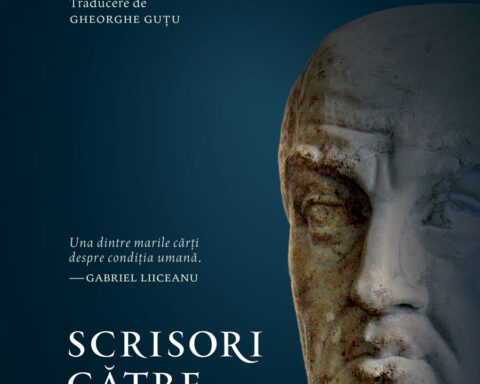
- Hannah Arendt, Eichmann la Ierusalim. Raport asupra banalității răului, Humanitas, București, 2026, traducere de Mariana Neț

Mulți istorici sunt de părere că, în ciuda percepției comune că istoria se repetă ciclic, istoria, de fapt, nu se repetă niciodată. Contextele sunt totdeauna altele. Cu toate astea, trecutul imprimă în mentalitatea oamenilor idei și reflexe care fac din istorie o succesiune de crime și nenorociri. Înțelegi mai bine o dramă colectivă mergând la rădăcinile ideologice, politice, culturale sau religioase care au declanșat-o. Procesul lui Adolf Eichmann, organizator al „soluției finale”, de exterminare a evreilor și a altor categorii de ne-arieni, este o astfel de lecție din trecut pentru prezent și viitor. Dincolo de datele dosarului, de formularea juridică a crimelor, de biografia și profilul psihologic ale lui Eichmann, Hannah Arendt descrie spectacolul unui proces care are în centru nu victimele, ci făptașul, nu suferința nevinovaților, ci „nevinovăția” senin și repetat afirmată, la toate cele cincisprezece capete de acuzare, a unui înalt funcționar de stat nazist. Procesul lui Eichmann pune în scenă și în cauză problema, totdeauna actuală, a responsabilității politice a individului. E povestea lui Pilat din Pont confruntat cu realitatea Adevărului și e istoria a ceea ce Hannah Arendt numește „banalitatea răului”.





Michal Aharony, fragment din textul ”Why Does Hannah Arendt’s ‘Banality of Evil’ Still Anger Israelis?”, publicat în Haaretz din 11.05.2019: ”“She is undoubtedly one of the greatest and most influential thinkers of the 20th century,” Zertal told me. “And she chose consciously not to be a philosopher in the sense of thinking and reflection in isolation from the world, but saw herself as a political thinker whose philosophy is nourished by life’s experiences. She experienced it all first-hand: world wars, Nazism, the Holocaust, totalitarianism, revolutions, postcolonialism, refugeehood and migration. Rare are the thinkers who have introduced into their work so many critical issues for deciphering the world, and did so with an intellectual passion and brilliance and with such uncompromising courage as Arendt.” I asked Ben-Naftali what she thinks makes Arendt unique. She replied that she was drawn to her thought “because of her nonconformist courage and because of her effort to dissolve clichés and norms of thought impartially.” According to Ben-Naftali, “Arendt’s writing is informed by tremendous complexity. It seems to me that many people cannot bear complexity in contexts that they consider to be ‘volatile.’ That tendency renders many of the debates on public issues superficial and effectively superfluous, and not only in this context.
“In a certain sense, Arendt knew that. She knew she was aiming for what was intolerable and was acting just plain tactlessly, touching on things that were not yet ripe to be touched on. There aren’t many people who are capable of doing that and paying the kind of price that she did. In a way, the book was aimed, already when it was published, at the sensibilities of a generation younger than the one Arendt herself was part of. From this point of view, Arendt’s writing still awaits us in years to come.””